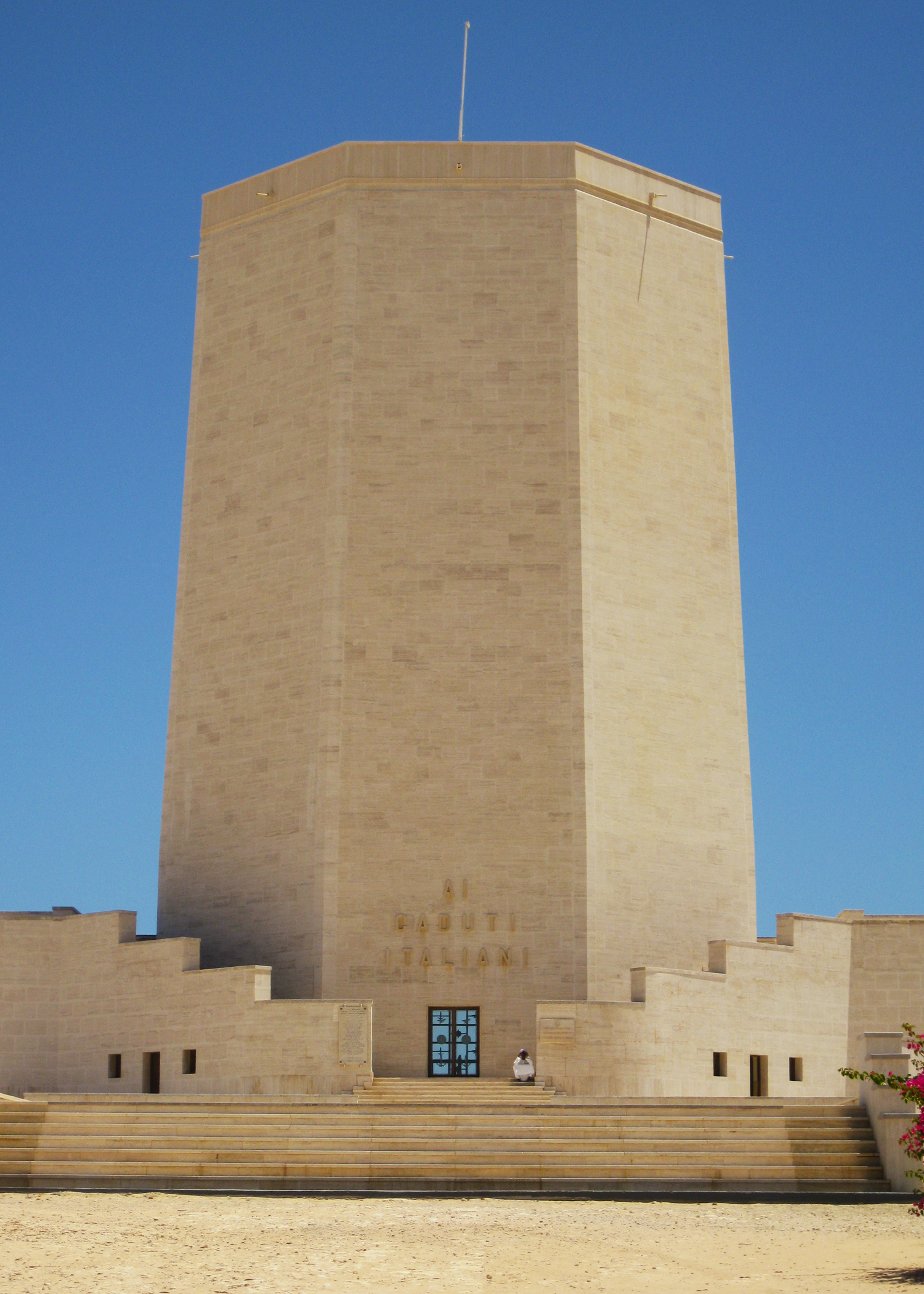


In the autumn of 1942, amidst the sands of the Egyptian desert, a handful of young Italian paratroopers wrote one of the most noble and tragic chapters of 20th-century military history: the defense by the Folgore Division during the Second Battle of El Alamein. Facing the overwhelming British offensive led by General Montgomery, the Folgore resisted for days under desperate conditions, with insufficient resources but with such heroism that even the enemy paid them respect.
Key Points
- Background
- The battle
Reading time: 2'
BACKGROUND
The 185th Paratroopers Division "Folgore" was composed largely of young volunteers trained for an invasion of Malta, which was later canceled. Transferred to the desert—where they were formally given their glorious name "Folgore" ("Lightning")—the paratroopers found themselves fighting not in the skies, but in makeshift trenches in the Egyptian sands, between the El Qattara Depression and El Alamein, on the southern flank of the Italo-German front.
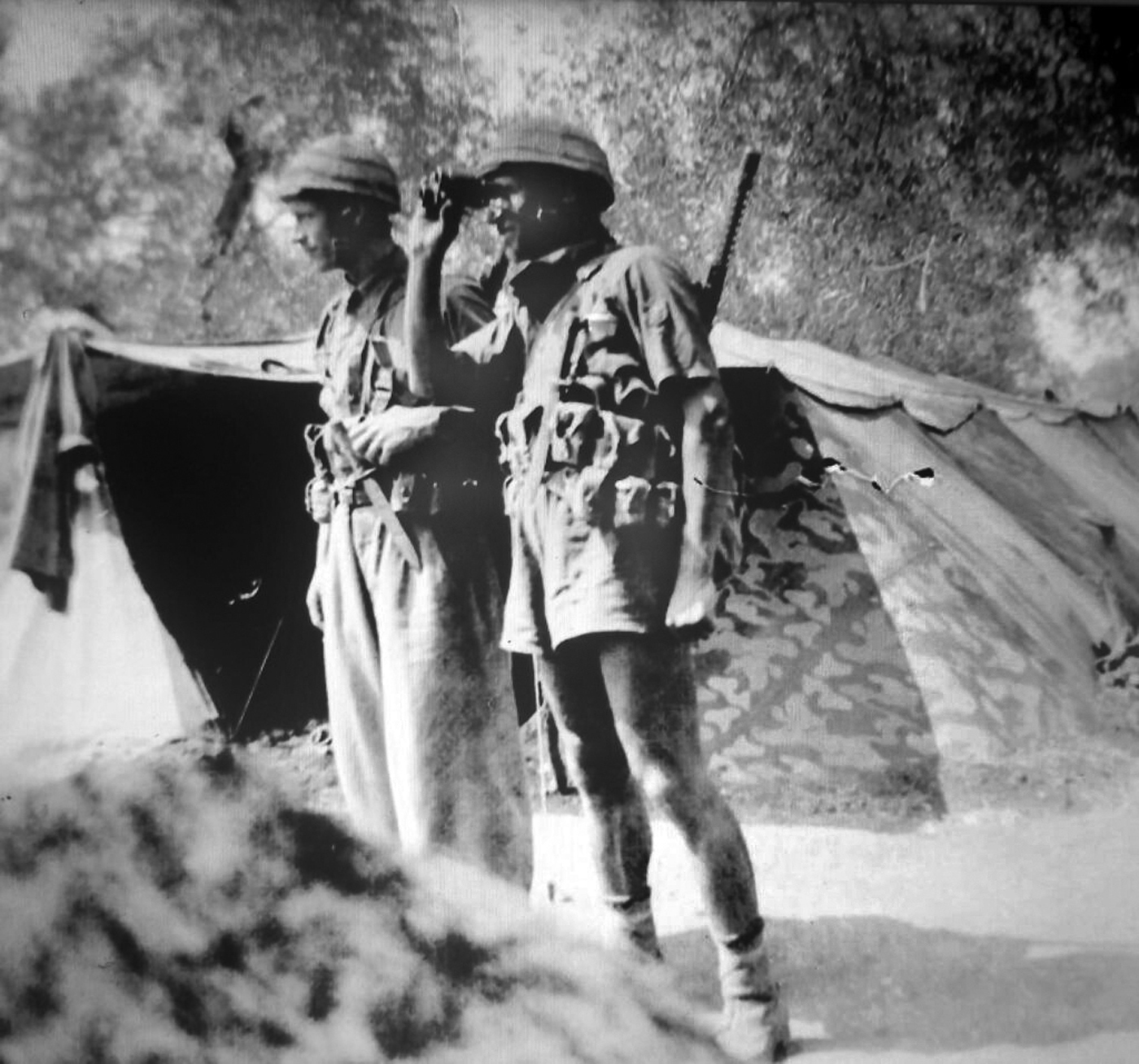
Folgore paratroopers in training before their deployment to North Africa
The Folgore included the 186th and 187th Paratrooper Regiments, with various battalions (5th, 6th, 7th, 2nd, 4th, 9th, 10th), and a paratrooper artillery regiment with the 1st, 2nd, and 3rd artillery groups, for a total of around 3,000–3,500 men. Their weaponry was mostly light: Carcano 91/38 rifles (caliber 6.5x52mm), Breda 30 and 37 machine guns (caliber 6.5x52 and 8x59Rb), Beretta MAB-38 submachine guns (caliber 9x19mm), a few Breda 47/32 anti-tank guns, mortars, and other light artillery pieces. They lacked tanks, heavy artillery, and armored vehicles. Most of all, they lacked ammunition and anti-tank grenades (with only a few examples of the “Type L” hand grenade), which the paratroopers replaced with improvised “Pazzaglia” grenades, demolition charges, anti-tank mines, and Molotov cocktails.
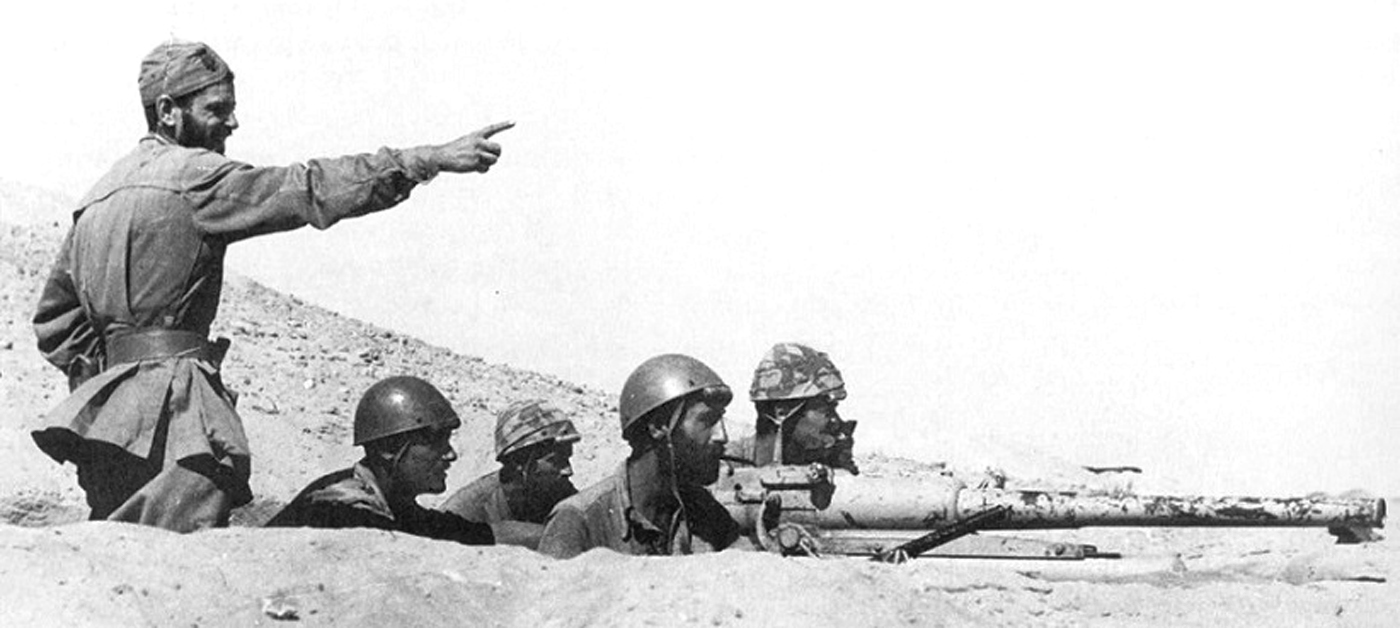
An anti-tank position with a Breda 47/32 gun manned by the Folgore: despite the shortage of equipment and ammunition, they exacted a high toll on M4 Shermans, M3 Grants, and Crusaders of the British Army.
Despite their improvised means, the paratroopers inflicted heavy losses on the British tanks. Supplies were also extremely scarce: already physically debilitated from long exposure to the desert in impossible conditions, the paratroopers were constantly short of food and, above all, water—resources that the British never lacked. Opposing the Italian division was the British XIII Corps, with 4–5 divisions totaling nearly 50,000 men, hundreds of cannons, several hundred tanks and vehicles, and full air superiority. Despite the overwhelming enemy advantage, the Folgore held out for thirteen days without yielding ground, repelling repeated infantry and armored attacks.
THE BATTLE
At 9:40 PM local time on the night of October 23, 1942, Montgomery launched Operation "Lightfoot" with an intense artillery bombardment supported by over 1,000 guns. Thousands of shells rained down on Italian and German positions. When the tide of tanks and infantry began to move, the Folgore was ready: dug into the sand, invisible until the last moment, with mines and anti-tank traps precisely placed. In the southern sector, the Folgore resisted the first impact, inflicting heavy losses on enemy tanks thanks to their mines and anti-tank guns. On the following days, October 24 and 25, the first waves were repelled: the British 131st Brigade and New Zealand units attacked Folgore’s positions at Deir el Munassib and El Himeimat, but the paratroopers repelled all assaults, inflicting heavy casualties. The IX Battalion destroyed numerous Sherman tanks, often letting them approach to within 100 meters: the British began to call the Folgore "the Ghost Division" for their ability to appear and disappear among the dunes.
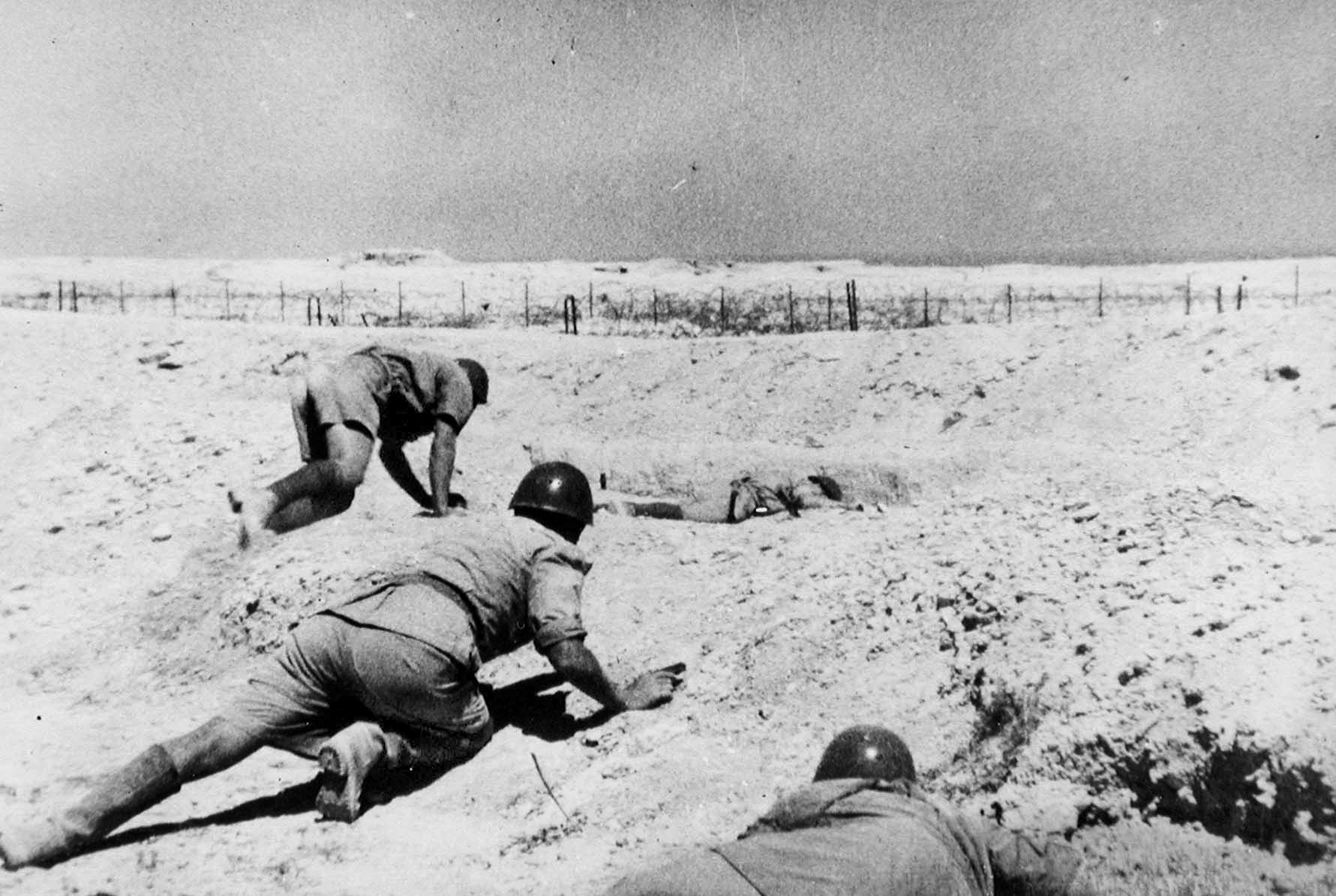
The "Ghost Division"
From October 26 to 30, containment battles were fought: British attacks focused on the center and north of the front; however, in the south, the Folgore continued to endure constant bombardments. Isolated and with almost no supplies, the paratroopers repelled several night breakthroughs. These days saw many acts of individual heroism, such as those of Captain Negri and Second Lieutenant De Togni, both posthumously awarded the Gold Medal of Military Valor. At this point, the inevitable happened: the front began to collapse, lasting three days from October 31 to November 2. Montgomery launched the final phase, Operation "Supercharge," breaking through in the north. The Folgore was left almost alone in the southern desert, still nearly intact and holding its position. Despite the general order to retreat, the paratroopers continued fighting to cover the withdrawal of German and Italian units in the north: ammunition ran out and many units fought only with light weapons and hand grenades. November 3 marked the day of the final battle. At dawn, the Folgore suffered the final assault, and communications with army command ceased. The last message transmitted read: "All our guns destroyed, but the paratroopers are standing." The few survivors, surrounded and without water, fought hand-to-hand until all ammunition was exhausted. That evening, the surviving units—who had never raised their hands in surrender—were captured. The British, in recognition of the bravery shown in battle, granted them the “honors of war.” On November 4, 1942, the end of the battle was officially declared. The entire Axis front collapsed: only just over 300 survivors remained from the Folgore.
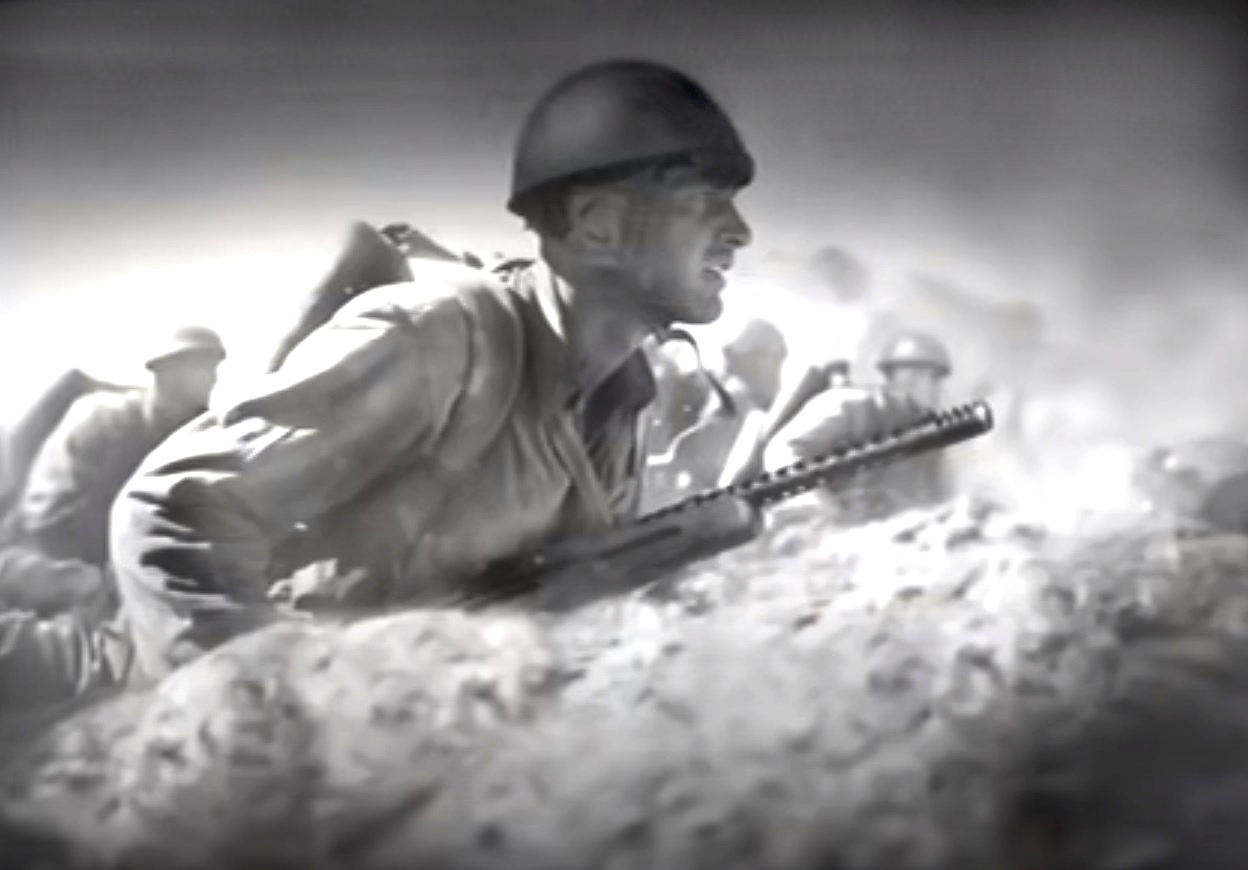
Folgore paratrooper with M1942 jump helmet and Beretta MAB-38 submachine gun: iconic elements of the Folgore at El Alamein
The Folgore Division ceased to exist as an operational unit, but its name became legend. In 1948, the War Flag of the Division was awarded the Gold Medal of Military Valor "in memoriam", with the following citation: "Paratrooper division, transferred to the desert for a mission not its own, stood heroically against overwhelming forces in numbers and means, resisting to the very limits of human possibility." The Folgore became a symbol of Italian valor in World War II—not for victory, but for the dignity shown in the face of the impossible. The motto “Folgore!” remains, even today, a cry of honor and belonging among Italian paratroopers, living witnesses to that extraordinary legacy of courage.